New arrivals nobody hears about
The shipment of cashmere lands on Tuesday. The six women who bought cashmere last fall find out when they walk past the window, if they do.
For independent boutiques with 1 to 3 stores
A boutique CRM remembers what every regular bought, their sizes and the brands they love, and tells you each morning whom to text and why. Clientele reads your POS export, ranks clients by the value of the next conversation and drafts the message, so repeat sales stop depending on the owner's memory.
Try it with the sample boutique or upload a CSV of up to 200 customers from your POS.
Where small boutiques lose repeat sales
In a boutique of two or three people, the top 50 regulars usually bring in a large share of the year's sales. The owner knows most of them by name. What nobody has is the time to sit down each day, scroll through hundreds of customers and decide who should hear about the new linen arrivals, whose birthday is next week, or who has not been in since spring.
So the outreach happens when someone remembers, from whoever's phone is closest. Then a part timer leaves, and with her goes a camera roll full of client photos and half the store's text threads.
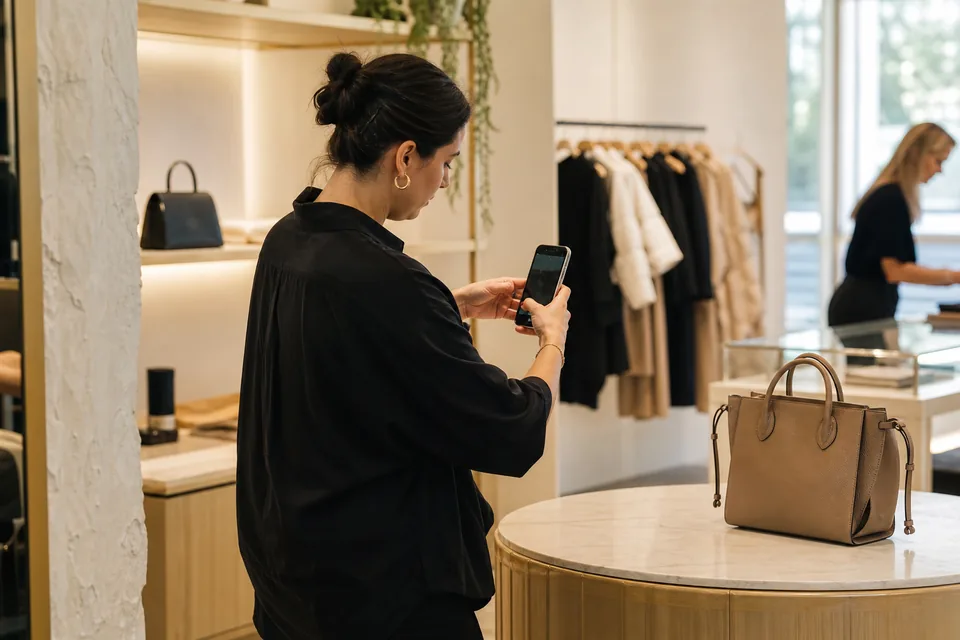
The shipment of cashmere lands on Tuesday. The six women who bought cashmere last fall find out when they walk past the window, if they do.
A client asks you to hold a dress in a 6 until Saturday or to call when the boots come in. It lives on a sticky note by the register.
A customer who spent $1,800 last year has not been in for five months. Nobody notices until she shows up wearing another shop's bag.
The Money Feed in a boutique
Every morning each person on your team opens Clientele and sees a short list: who to contact, why today, what the sale could be worth and a drafted message that sounds like them. You approve, tweak a word if you want, and send. On a quiet weekday morning that is ten minutes of work.
The list is ranked by value, so the client who usually spends $600 on a visit comes before the one who buys a candle. You set the rules once, for example how long after a purchase to say thank you and how many quiet months make a regular worth a call.
Money Feed for Megan, owner
Tuesday, 4 clients to contact
Laura Bennett
Gold client
Hi Laura, it's Megan from the shop. The cashmere crewnecks came in this morning, and there is a medium in the oatmeal you asked about last fall. Want me to set it aside until Thursday?
Priya Shah
Platinum client
Hi Priya, your birthday is coming up next week, so a little early happy birthday from all of us. If you want to pop in, I have pulled a few pieces in your size I think you will love.
Jenna Morales
Silver client
Carol Whitfield
Gold client
New stock carries tags like denim, cashmere or a designer name. Clients who bought the same tags, in sizes you have, show up with the piece suggested.
Every hold and special order gets a date. When it arrives or the hold is about to expire, the client lands in the right person's feed.
Birthdays, anniversaries and the holiday a husband shops for every year become reasons to reach out a week early, not a day late.
A few days after a big purchase, a short personal thank you. It is the message clients remember, and it often opens the next visit.
Good customers who have not been in for a while surface with a real reason to reconnect, never a blanket discount code.
If you sell online, abandoned carts and wishlists from known clients go to a person on your team instead of an automated email.
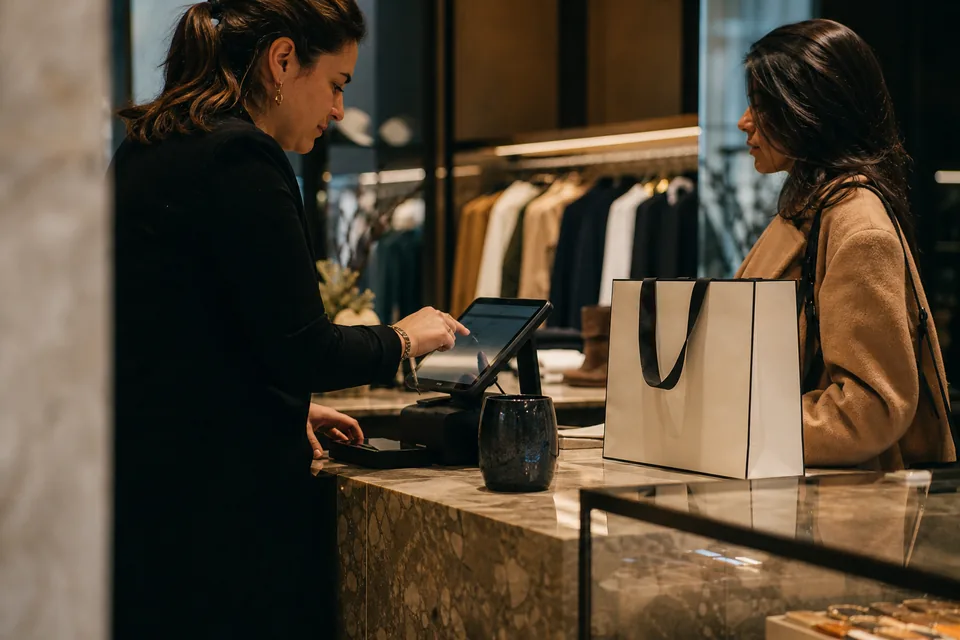
A receipt says a customer bought a $240 dress. It does not say she wears a 6 in dresses but an 8 in pants, avoids yellow, loves one particular denim brand, has a daughter who shops with her in December and asked to hear first when the wide leg trousers come back. That is what sells the next piece, and it usually lives in one person's head.
Clientele keeps it on one client profile: purchases from your POS and Shopify, sizes per category, brands and style tags, holds and special orders, important dates, household members and every message and visit. Anyone on the team adds a note in a few seconds at the register. Read more about client profiles retail teams actually use.
Setup
There is no consultant and no implementation fee. Most single store boutiques import their customers after closing and wake up to their first Money Feed.
Download customers and sales as a CSV from Square, Lightspeed, Clover or any other point of sale, or connect Shopify.
Tell Clientele which column is the customer, the item, the price and the date. The mapping is saved for next time.
Days after a purchase for a thank you, how long before a regular counts as quiet, how early to flag birthdays. Defaults are filled in.
Each associate gets their own feed on the phone. The owner sees every feed and which messages turned into sales.
Small boutiques usually choose between four kinds of tools. They do different jobs, and plenty of shops run two of them side by side.
Kinds of customer software small boutiques use
Main job
Daily list of whom to contact
Sizes, brands and taste
Personal texts from the shop number
Clients stay with the shop
Best for
| POS customer list | Email and SMS marketing tool | General CRM such as a sales pipeline app | Clienteling platform such as Clientele | |
|---|---|---|---|---|
| Main job | Checkout, stock, receipts | Campaigns to the whole list or segments | Deals and pipelines, built by you | One to one outreach by the people on your floor |
| Daily list of whom to contact | No | No | If you build it | Yes, ranked by value for each associate |
| Sizes, brands and taste | A notes field | Basic profile fields | Custom fields you set up | Sizes per category, tags and purchase history on one profile |
| Personal texts from the shop number | Rarely | Bulk sends | Add on | WhatsApp, SMS and email in one inbox |
| Clients stay with the shop | Yes | Yes | Depends on setup | Yes, with reassignment and full history |
| Best for | Every boutique | Newsletters and promotions | B2B sales teams | Boutiques where regulars drive the year |
Keep your POS and keep your newsletter tool. Clientele sits next to them and handles the part they skip, the personal message from someone the client knows. If your shop sells mostly to one time tourists, an email tool is probably enough; once you have regulars worth a text, a clienteling platform pays for itself with a handful of extra visits.
Clientele is built for shops where a good customer comes back several times a year and spends real money: independent women's and men's clothing boutiques, shoe and accessory stores, lingerie and swim boutiques, bridal accessory and occasion wear shops, gift and home decor boutiques, fine wine shops with a collector base (see the CRM for wine shops), and small groups with two or three locations. Shops with a made to measure program use it as a CRM for tailors and custom clothiers. Owners who sell fine jewelry use the same product as a jewelry CRM with ring sizes and anniversaries.
It fits less well if nearly all your sales come from foot traffic you never see again. And if you run a luxury fashion house with dozens of advisors, our fashion CRM for luxury boutiques covers the larger setup.
Boutique is $99 a month billed yearly, or $199 month to month, for up to 3 associates in one store and 2,500 client profiles. Brand is $299 a month billed yearly for up to 15 associates across 3 stores and 15,000 profiles, with manager tools and sales attribution per associate. Every plan includes the Money Feed, client profiles, the shared inbox, CSV import and Shopify sync. Compare everything on the clienteling software pricing page, or run the demo above on your own export first.
FAQ
The best CRM for a small boutique is one the owner and one or two associates actually open every day. It should tell you which regulars to text this morning and why, remember sizes and taste, send from the shop number and cost a fixed monthly price. Clientele is built for exactly that, from $99 a month billed yearly.
Your POS already stores names and receipts, so you are halfway there. What a POS does not do is decide whom to contact today. A boutique CRM reads that sales history, adds sizes, favorite brands and notes, and turns it into a short daily list with a message ready. Keep your POS and add the follow up layer on top.
Clientele's Boutique plan is $99 a month billed yearly, or $199 month to month, for up to 3 associates in 1 store and 2,500 client profiles. Brand is $299 a month billed yearly for up to 15 associates across 3 stores. General CRMs start lower but leave the setup to you, and enterprise clienteling suites usually quote privately.
Yes, and a one person shop often gains the most, because the owner has the least time to scroll through customers. The Money Feed does that thinking overnight and leaves a list of five to ten people worth a message, each with a drafted text. Ten minutes over coffee covers the day's outreach.
Export customers and sales from your POS as a CSV and upload it. You map the columns once and Clientele remembers the mapping. Shopify and Shopify POS customers, orders and products sync automatically on every plan. Most single store boutiques are set up in an afternoon and see their first feed the next morning.
Yes. Messages go out on WhatsApp from the boutique's business number, by SMS or by email, from one shared inbox. Consent is recorded per channel with the date and source, and Clientele will not send on a channel a client has not agreed to. When an associate moves on, the conversations stay with the shop.
Upload a customer and sales export from your POS, or start with our sample boutique. In under a minute you see who to contact first, the reason, what the sale could be worth and a message written for each client.
Plans from $99 a month billed yearly. Subscriptions only, cancel at the end of any period.